
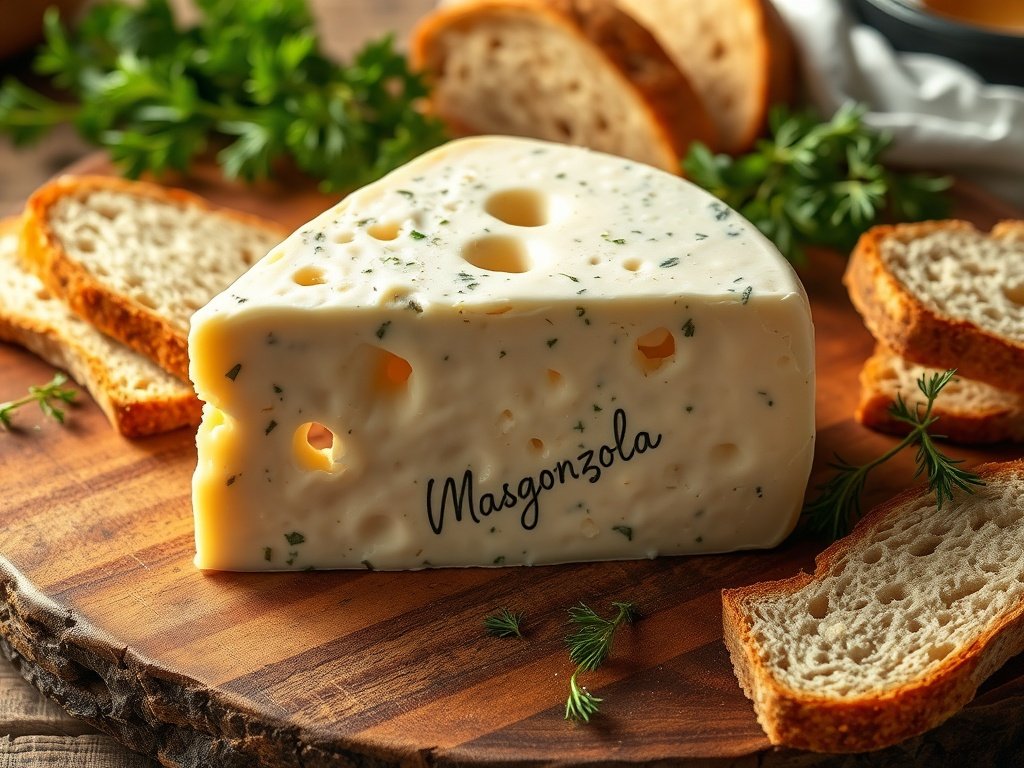
Masgonzola is a creamy fusion cheese that blends the rich, buttery texture of mascarpone with the bold, tangy character of gorgonzola. This unique combination creates a smooth yet flavorful cheese ideal for pasta, pizza, gourmet sauces, spreads, and desserts. Its balanced taste makes it versatile for both savory and sweet recipes, appealing to chefs and home cooks alike.
Masgonzola is a modern artisan cheese crafted by combining two beloved Italian classics into one luxurious creation. It delivers the smooth creaminess of mascarpone with the distinctive depth of blue-veined cheese, resulting in a perfectly balanced flavor profile. This article explores its origin, taste, texture, production process, culinary uses, nutritional value, storage tips, and growing popularity in gourmet kitchens. Whether you are a food enthusiast, chef, or curious home cook, you’ll discover why this innovative cheese is becoming a favorite ingredient in creative recipes. Continue reading to unlock everything you need to know about this extraordinary dairy fusion.
The Origin Story Behind Masgonzola’s Artisan Cheese Innovation
Masgonzola emerged from the creative experimentation of artisan cheesemakers seeking a balanced dairy fusion. By combining the luxurious smoothness of mascarpone with the bold personality of traditional blue-veined cheese, they crafted something entirely new. This innovation reflects modern culinary trends that celebrate hybrid flavors and textures. While rooted in Italian inspiration, it represents contemporary gastronomy’s desire for creativity. Its name reflects the blending of two classic cheeses, signaling both familiarity and novelty to food lovers worldwide.
Understanding the Unique Flavor Profile That Defines This Fusion Cheese
The taste profile of this creamy creation is layered and dynamic. It begins with a mild, buttery sweetness that gently transitions into a tangy, slightly sharp finish. Unlike strong blue cheese varieties that overpower dishes, it delivers balanced intensity. The smooth texture softens the bold notes, making it approachable for those who typically avoid pungent cheeses. This harmony of flavors allows it to complement both delicate ingredients and robust recipes without overwhelming the palate.
Texture and Creaminess: What Makes It Stand Out in Gourmet Kitchens
Texture plays a crucial role in the growing popularity of masgonzola. It is soft, spreadable, and luxuriously creamy, making it easy to incorporate into sauces and spreads. The velvety consistency melts evenly under gentle heat, creating silky pasta sauces and smooth fillings. Chefs appreciate how it enhances mouthfeel while maintaining structural integrity. Its creaminess also pairs beautifully with crusty bread, fresh fruits, and roasted vegetables, elevating simple dishes into refined culinary experiences.
The Traditional Cheesemaking Techniques Behind Its Production
Crafting this fusion cheese requires careful control of temperature, cultures, and blending methods. High-quality milk forms the foundation, ensuring richness and consistency. Cheesemakers introduce selected cultures to develop flavor complexity while preserving creaminess. The blending stage is critical, as it must achieve a uniform texture without losing the distinctive character of each component. Proper aging conditions further refine its taste. The process demands expertise, patience, and attention to detail to maintain premium quality.
Culinary Applications That Elevate Everyday Meals Into Gourmet Experiences
One of the reasons masgonzola has gained attention is its culinary versatility. It transforms simple pasta into a restaurant-worthy dish when stirred into warm cream sauce. Spread over artisan pizza, it melts into flavorful pockets of richness. It enhances risottos, stuffed chicken, and savory tarts with creamy depth. Even a small spoonful folded into mashed potatoes creates luxurious texture. Its balanced taste allows cooks to experiment confidently across various cuisines and cooking styles.
Pairing Ideas With Wines, Fruits, and Fresh Ingredients
Flavor pairing is essential for maximizing enjoyment of this cheese. Crisp white wines and light red varieties complement its creamy texture without overpowering its nuanced tanginess. Fresh pears, figs, and grapes add sweetness that balances savory notes. Honey drizzles introduce complexity, while toasted walnuts contribute crunch. Fresh herbs such as thyme and basil enhance aroma. These thoughtful combinations showcase its adaptability in both elegant cheese boards and refined dinner menus.
Also read this: FUPA Meaning, Causes, Treatments, and Confidence-Boosting Solutions Explained
Nutritional Insights and Dietary Considerations for Health-Conscious Consumers
From a nutritional perspective, this cheese provides protein, calcium, and essential fats. Its creamy nature means it should be enjoyed in moderation, especially for those monitoring calorie intake. Compared to stronger blue cheeses, its milder profile may encourage smaller portions while still delivering satisfaction. Lactose-sensitive individuals should consult dietary guidance, as cream-based cheeses can vary in digestibility. When incorporated sensibly, it contributes richness and flavor without excessive consumption.
How to Store and Preserve Freshness for Maximum Flavor
Proper storage ensures optimal taste and texture. It should be kept refrigerated in an airtight container to prevent moisture loss and odor absorption. Wrapping it loosely in parchment before sealing helps maintain consistency. Avoid freezing, as extreme cold can alter texture and compromise creaminess. For best results, allow it to sit at room temperature briefly before serving. This simple step enhances flavor release and improves spreadability.
The Growing Popularity in Modern Fine Dining Restaurants
Contemporary chefs constantly search for distinctive ingredients that spark creativity. Masgonzola has found its place in upscale kitchens due to its balanced intensity and luxurious texture. Fine dining establishments incorporate it into signature sauces, gourmet burgers, and artisan flatbreads. Its adaptability allows chefs to reinvent traditional recipes while maintaining familiarity. As diners seek unique flavor experiences, this innovative cheese continues to gain recognition in culinary circles worldwide.
Homemade Recipes That Showcase Its Creamy Versatility
Home cooks can easily incorporate this fusion cheese into comforting meals. Blending it into warm pasta creates instant cream sauce with minimal effort. Spreading it onto toasted sourdough with roasted tomatoes produces a satisfying appetizer. Stirring it into scrambled eggs adds depth and silkiness. Even simple baked potatoes benefit from a small dollop. Its ability to enhance everyday dishes makes it a valuable addition to home kitchens.
Comparing This Fusion Cheese With Traditional Blue Varieties
While traditional blue cheeses often feature sharp, pungent flavors, this blended creation delivers smoother intensity. The creamy base tempers strong notes, resulting in broader appeal. Texture differences are also significant, as classic blue varieties may crumble more easily. In contrast, this version spreads effortlessly. Such distinctions make it accessible to those exploring new flavors without committing to bold extremes. It bridges the gap between mild cream cheeses and assertive blue types.
Seasonal Dishes and Creative Menu Inspirations
Seasonal cooking provides endless opportunities to experiment. During autumn, incorporating it into pumpkin risotto enhances warmth and richness. In summer, pairing it with fresh berries creates refreshing contrast. Winter soups gain depth when finished with a spoonful stirred gently at the end. Spring salads benefit from small creamy accents. This adaptability ensures year-round culinary inspiration across diverse seasonal ingredients.
Artisan Market Trends and Consumer Demand Growth
Global interest in artisanal dairy products continues to rise. Consumers increasingly value craftsmanship, authenticity, and unique taste experiences. This demand has contributed to the visibility of masgonzola in specialty markets. Food enthusiasts seek innovative products that merge tradition with creativity. As awareness spreads through culinary media and social platforms, more shoppers are eager to explore distinctive cheese offerings that elevate home dining experiences.
Sustainability and Responsible Dairy Production Practices
Responsible sourcing plays an essential role in modern food production. Many artisan cheesemakers prioritize ethical dairy farming, focusing on animal welfare and environmental stewardship. Sustainable practices ensure high-quality milk while reducing ecological impact. Conscious consumers often choose products aligned with these values. Supporting responsibly produced cheese encourages transparency and promotes long-term agricultural sustainability within the dairy industry.
Conclusion: Why This Creamy Fusion Cheese Deserves a Place in Your Kitchen
Masgonzola represents innovation rooted in tradition, blending creamy richness with bold character. Its balanced flavor, versatile texture, and wide culinary applications make it suitable for both professional chefs and passionate home cooks. From pasta and pizza to desserts and seasonal dishes, it enhances recipes effortlessly. As artisan trends continue evolving, this fusion cheese stands out as a symbol of creativity and quality. Adding it to your kitchen opens the door to refined, memorable flavor experiences.
FAQs (People Also Ask)
What is masgonzola made from?
It is made by blending mascarpone cheese with gorgonzola-style blue cheese to create a smooth, creamy, and mildly tangy fusion.
Is masgonzola stronger than regular blue cheese?
No, it is generally milder because the creamy base softens the sharpness of traditional blue-veined cheese.
Can masgonzola be used in pasta recipes?
Yes, it melts beautifully and creates rich, silky sauces perfect for pasta and risotto dishes.
How should masgonzola be stored?
Store it in the refrigerator in an airtight container and allow it to reach room temperature before serving for best flavor.
Is masgonzola suitable for cheese boards?
Absolutely, its creamy texture and balanced flavor pair well with fruits, nuts, honey, and artisan bread.
Does masgonzola work in desserts?
Yes, its smooth sweetness makes it suitable for creative dessert recipes when paired with fruits or light pastries.
Is masgonzola considered an artisan cheese?
Yes, it is typically crafted using specialized blending techniques that reflect artisan cheesemaking traditions.
Fore more info: Streetmaginsider.co.uk
