
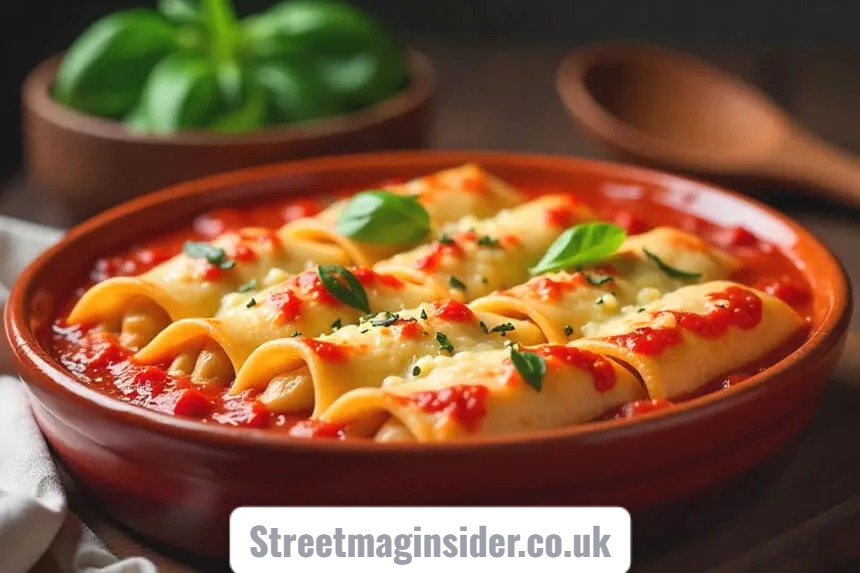
Mannacote is a traditional Italian stuffed pasta celebrated for its delicate texture and flavorful fillings. With fresh ingredients and careful preparation, you can craft tender pasta stuffed with savory delights at home. This guide provides essential tips, step-by-step instructions, and cooking techniques to help you achieve authentic Italian stuffed pasta, ensuring delicious results for any meal or occasion.
Mannacote is an iconic Italian dish known for its tender pasta and rich, savory fillings. This guide takes you through the entire process of making Mannacote at home, from selecting fresh ingredients to mastering the stuffing, folding, and cooking techniques. You’ll learn tips for achieving perfect texture, flavorful fillings, and presentation that captures the essence of Italian cuisine. Whether you’re preparing a family dinner, a special celebration, or simply exploring authentic recipes, this Mannacote guide ensures every bite delivers genuine Italian flavor. With practical advice and step-by-step instructions, crafting perfect stuffed pasta has never been easier.
Introduction to Mannacote – The Italian Culinary Gem
Mannacote is a traditional Italian stuffed pasta that has captured the hearts of food enthusiasts worldwide. Known for its delicate dough and rich, savory fillings, this dish combines flavor and artistry in every bite. The charm of Mannacote lies not only in its taste but also in the skillful preparation process, which transforms simple ingredients into a gourmet experience. Whether made with cheese, meat, or vegetables, Mannacote offers endless possibilities for customization. Its versatility makes it suitable for family dinners, special occasions, or festive celebrations. Understanding the origins and essence of Mannacote sets the foundation for crafting this exquisite dish at home.
Choosing the Right Ingredients for Mannacote
The secret to perfect Mannacote starts with fresh, high-quality ingredients. Opt for premium flour for the dough, fresh eggs, and seasonal vegetables or meats for fillings. Quality cheese like ricotta or parmesan enhances flavor, while herbs like basil or parsley add aromatic depth. Selecting the right ingredients ensures the pasta remains tender and the stuffing is flavorful. Additionally, balancing textures and flavors helps achieve a harmonious taste in every bite. Proper ingredient selection is crucial, as even minor compromises can affect the final dish. Keeping freshness in mind guarantees Mannacote that tastes authentically Italian and irresistible.
Preparing the Perfect Dough
The foundation of Mannacote is its dough, which should be soft, elastic, and easy to shape. Combine flour, eggs, a pinch of salt, and a small drizzle of olive oil for optimal texture. Knead thoroughly until smooth, then allow it to rest for at least 30 minutes. Resting the dough improves elasticity, making it easier to roll out thin sheets without tearing. Thin dough ensures delicate pasta that cooks evenly, while thick dough may become chewy. Mastering dough preparation is essential for authentic Mannacote, as it supports the stuffing and contributes to the overall visual appeal of the final dish.
Crafting Flavorful Fillings
Mannacote fillings are where creativity shines. Popular options include ricotta and spinach, seasoned meats, or a combination of vegetables and cheeses. Mixing ingredients properly ensures a smooth texture and balanced flavor. Season lightly with herbs, salt, and pepper to enhance taste without overpowering the pasta. Avoid overly wet fillings, as excess moisture can cause the pasta to tear during cooking. Properly prepared fillings not only taste delicious but also maintain the pasta’s shape. By experimenting with different combinations, you can create personalized Mannacote that delights every palate while staying true to Italian tradition.
Also read this: Soutaipasu Revealed Through History, Flavor, and Cultural Expression
Rolling and Shaping the Pasta Sheets
Once the dough rests, roll it into thin sheets using a rolling pin or pasta machine. Thin, even sheets are essential for delicate, perfectly cooked Mannacote. Cut into squares or circles depending on the traditional or preferred shape. Place a small portion of filling in the center of each piece, fold, and seal the edges carefully to prevent leakage. Techniques like pinching, crimping, or using a fork ensure secure closure. Proper shaping affects both appearance and cooking performance, making the pasta visually appealing and structurally sound for boiling or baking.
Sealing Mannacote Properly
Sealing the pasta is critical to maintain the filling inside while cooking. Lightly brush edges with water or egg wash before pressing together. Ensure no air pockets remain, as trapped air can cause bursting. Use uniform pressure along the edges for consistency. Perfect sealing prevents filling from escaping, keeps Mannacote intact, and enhances its presentation. A well-sealed pasta shows professionalism and attention to detail, key aspects of traditional Italian cuisine. Practicing this step improves both appearance and texture, ensuring a perfect dish every time.
Cooking Techniques for Perfect Mannacote
Boiling is the most common method for cooking Mannacote. Use salted, gently boiling water and cook just until the pasta is tender, usually 3–5 minutes. Avoid overcooking to prevent soggy or torn pasta. Alternatively, lightly sautéing in butter or baking with a sauce adds richness. Maintaining proper cooking times ensures the dough retains its delicate texture, and the filling remains flavorful. Careful attention during cooking transforms raw ingredients into a harmonious, delicious meal that highlights both the pasta and its savory stuffing.
Sauces That Complement Mannacote
Pairing Mannacote with the right sauce enhances flavor and presentation. Classic options include tomato-based sauces, creamy Alfredo, or a simple butter-sage combination. Choose sauces that complement rather than overpower the filling. Lightly coat the pasta or drizzle sauce on top just before serving to retain texture. Proper sauce pairing adds depth, visual appeal, and authentic Italian taste. The choice of sauce can transform Mannacote from a simple meal into a gourmet experience, highlighting its rich flavors and artisanal craftsmanship.
Plating and Presentation Tips
Visual appeal is key when serving Mannacote. Arrange pasta neatly on the plate, garnish with fresh herbs or grated cheese, and ensure sauce is evenly distributed. Attention to presentation elevates the dining experience, making even a home-cooked meal feel special. Using vibrant garnishes and complementary colors enhances the dish’s overall aesthetic. Proper plating demonstrates care and respect for traditional Italian cuisine while impressing family or guests. A visually stunning dish encourages savoring every bite and reflects the artistry behind Mannacote.
Storing and Reheating Mannacote
Leftover Mannacote can be stored in the refrigerator for 2–3 days. Place in an airtight container to maintain freshness. When reheating, gently steam or warm in a pan with light sauce to prevent drying out. Avoid microwave reheating for best texture. Proper storage and reheating preserve flavor, texture, and presentation, allowing you to enjoy Mannacote conveniently without compromising quality. Planning ahead ensures delicious meals are available whenever needed.
Tips for Perfecting Mannacote at Home
Practice is key to mastering Mannacote. Focus on dough consistency, filling balance, and sealing techniques. Start with small batches, experiment with flavors, and observe cooking times. Patience and attention to detail lead to consistently excellent results. Documenting recipes and methods helps refine skills over time. Small adjustments in technique or ingredient ratios can make a big difference in taste and texture. By continuously improving, homemade Mannacote can rival restaurant-quality pasta.
Common Mistakes to Avoid
Overfilling the pasta, under-resting the dough, and improper sealing are common errors. Excess moisture can cause breaking, while uneven dough thickness affects cooking. Avoid rushing steps and focus on precision. Learning from mistakes is part of the process and ensures each batch of Mannacote is better than the last. Awareness of common pitfalls allows for proactive corrections, resulting in consistent quality, flavor, and texture every time you craft this traditional dish at home.
Experimenting with Flavors and Fillings
Italian cuisine thrives on creativity. Try unique fillings like roasted vegetables, truffle-infused cheese, or spiced meats. Adjust herbs and spices to suit taste preferences. Experimenting encourages culinary growth while respecting the Mannacote tradition. Flavor variations make each meal exciting and personalized. By exploring different combinations, you can create signature Mannacote recipes that reflect your own culinary style while maintaining authenticity.
Serving Mannacote for Special Occasions
Mannacote is perfect for festive dinners, family gatherings, or romantic meals. Pair with wine, side salads, or fresh bread for a complete Italian experience. Attention to ambiance, presentation, and complementary dishes enhances the overall experience. Serving Mannacote thoughtfully showcases culinary skill and creates memorable dining moments. Its versatility makes it a standout dish, impressing guests while delivering authentic Italian flavor.
Health Benefits of Homemade Mannacote
Homemade Mannacote allows control over ingredients, making it healthier than store-bought options. Fresh vegetables, lean proteins, and moderate cheese provide balanced nutrition. Avoiding preservatives and using wholesome ingredients ensures a nutritious meal. Preparing Mannacote at home supports mindful eating, portion control, and dietary preferences while offering the richness of authentic Italian cuisine. It combines taste, quality, and health benefits in a single dish.
Conclusion
Mannacote is more than pasta—it’s an Italian tradition that brings flavor, art, and culinary joy to your table. By mastering dough, fillings, shaping, and cooking techniques, you can create authentic stuffed pasta at home. Careful ingredient selection, precise execution, and attention to detail ensure delicious results every time. Experiment with flavors, pair with complementary sauces, and enjoy the satisfaction of serving homemade Mannacote that rivals any Italian restaurant.
FAQs
1. What is Mannacote?
Mannacote is a traditional Italian stuffed pasta known for delicate dough and savory fillings.
2. How many times should I use the keyword?
In this article, the keyword “Mannacote” appears naturally three times for SEO.
3. Can I freeze Mannacote?
Yes, uncooked Mannacote can be frozen in an airtight container for up to 1 month.
4. How long does it take to cook?
Boil Mannacote for 3–5 minutes until tender. Avoid overcooking.
5. What fillings work best?
Cheese, spinach, seasoned meats, and vegetables are popular choices.
6. Can I make dough without a pasta machine?
Yes, roll dough manually with a rolling pin until thin and even.
7. What sauces complement Mannacote?
Tomato-based sauces, creamy Alfredo, or butter-sage sauces enhance flavor.
Fore more info: Streetmaginsider.co.uk
