
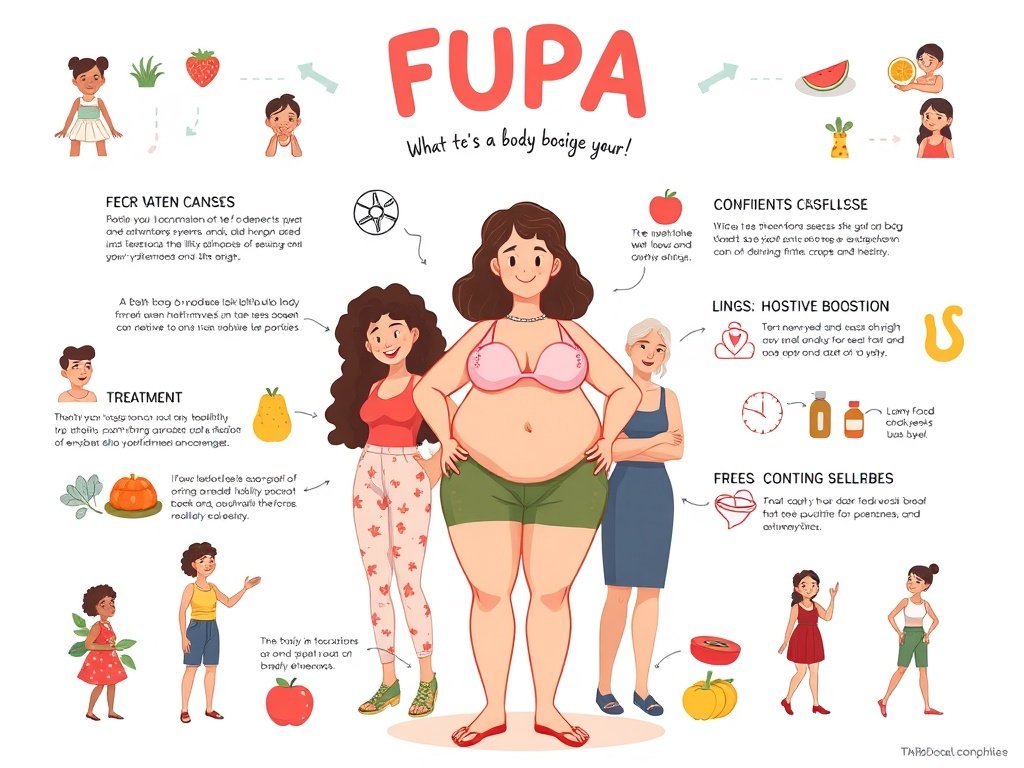
FUPA refers to excess fat stored in the upper pubic area, just above the genital region. It can develop due to weight gain, hormonal changes, genetics, pregnancy, aging, or previous surgeries. While it is completely normal and common in both men and women, people often seek lifestyle changes, exercise routines, or medical treatments to reduce its appearance.
Many people feel confused or concerned about changes in their lower abdominal area, especially when stubborn fat accumulates just above the pubic region. This condition, commonly called fupa, is more common than most realize and can happen for several natural reasons, including body composition, aging, pregnancy, and hormones.
This article explains what it is, why it happens, and how to manage it through realistic, science-based approaches. You will learn about anatomy, fat storage, exercise strategies, nutrition adjustments, medical procedures, and body confidence. Whether your goal is reduction or self-acceptance, this guide offers balanced, practical, and empowering information.
Understanding What FUPA Means and Why It Is Common
The term fupa describes fat accumulation in the upper pubic region, medically known as the mons pubis. This area naturally contains fatty tissue that cushions and protects underlying structures. In some individuals, fat storage becomes more noticeable due to body composition and genetics.
It is important to understand that this is not a medical disease. It is simply a variation in how the human body distributes fat. Many people experience it at different life stages, especially during hormonal transitions. Recognizing that it is common and normal can reduce unnecessary stress or embarrassment.
The Anatomy of the Lower Abdomen and Pubic Region Explained
The lower abdomen includes muscles, connective tissues, skin, and fat layers. Beneath the skin lies subcutaneous fat, which acts as energy storage and insulation. The pubic mound contains a natural fat pad that varies in size among individuals.
Fat distribution in this region depends on hormones such as estrogen and testosterone. Women may notice changes during puberty, pregnancy, or menopause. Men can also develop fat in this area due to overall weight gain or hormonal shifts. Understanding anatomy helps separate myths from biological reality.
Hormonal Changes and Their Role in Fat Distribution Patterns
Hormones strongly influence where the body stores fat. Estrogen tends to promote fat storage in the lower abdomen, hips, and thighs. During pregnancy or menopause, fluctuating hormone levels can increase fat retention in the pelvic region.
Insulin resistance and stress-related cortisol release can also encourage abdominal fat storage. These changes are natural biological responses. Instead of blaming appearance, it helps to understand that endocrine balance directly affects body shape over time.
Weight Gain, Genetics, and Body Composition Factors
Body composition plays a central role in how fat appears in specific regions. Some individuals genetically store more fat in the lower abdomen. Even with a healthy body mass index, localized fat deposits can remain.
When total body fat increases, the lower abdominal area may become more prominent. However, genetics largely determines where fat accumulates first and where it disappears last. Accepting genetic diversity reduces unrealistic expectations about achieving identical body shapes.
Pregnancy, C-Sections, and Postpartum Body Changes
Pregnancy stretches abdominal muscles and skin to support fetal growth. After childbirth, especially following a cesarean delivery, scar tissue and weakened core muscles may change how the lower abdomen looks.
Postpartum bodies go through healing phases that may last months or even years. Hormonal shifts also slow fat metabolism temporarily. Gentle recovery exercises, patience, and realistic timelines are crucial during this stage of physical transition.
Also read this: Ракитовица: Complete Travel, History, Nature, and Living Guide
Aging and Metabolism Slowdown Effects on Lower Belly Fat
As people age, muscle mass gradually decreases while fat mass increases. This metabolic slowdown affects the abdominal region significantly. Reduced activity levels may further contribute to fat retention.
Skin elasticity also declines with age, making certain areas appear fuller or less firm. Strength training and balanced nutrition can help maintain muscle tone, which supports a flatter abdominal appearance over time.
Effective Exercise Strategies to Strengthen the Lower Core
Targeted exercise can improve muscle tone beneath the fat layer. Strengthening the lower abdominal muscles supports posture and tightens the core. Exercises such as leg raises, pelvic tilts, and reverse crunches activate deep core muscles.
However, spot reduction is a myth. Fat loss occurs through overall calorie balance and consistent physical activity. Combining cardiovascular exercise with resistance training produces the most effective and sustainable body composition changes.
Nutrition Adjustments That Support Healthy Fat Reduction
Balanced nutrition plays a larger role than isolated exercises. A diet rich in lean protein, fiber, whole grains, and healthy fats supports steady metabolism. Reducing excessive sugar and processed foods helps regulate insulin levels.
Hydration and mindful eating habits also matter. Sustainable fat reduction depends on long-term lifestyle changes rather than extreme dieting. Gradual improvements produce lasting results and protect hormonal balance.
Medical and Cosmetic Treatment Options to Consider Carefully
Some individuals explore cosmetic procedures for stubborn fat. Options may include liposuction, non-invasive fat reduction technologies, or skin tightening treatments. These approaches vary in cost, recovery time, and effectiveness.
Consulting a qualified medical professional is essential before considering procedures. Understanding risks, realistic outcomes, and personal health history ensures informed decisions. Cosmetic changes should always prioritize safety and mental well-being.
The Psychological Impact of Body Image and Self-Perception
Body image concerns can significantly affect confidence and mental health. Social media often promotes unrealistic standards that ignore natural body diversity. Comparing oneself to edited images creates unnecessary dissatisfaction.
Developing self-acceptance improves overall well-being. Recognizing that body shapes differ naturally allows individuals to focus on health rather than perfection. Mental resilience supports healthier lifestyle choices in the long term.
Clothing Choices and Styling Tips for Enhanced Comfort
Clothing can influence how comfortable someone feels in their body. High-waisted garments, supportive undergarments, and structured fabrics can create a smooth silhouette. Choosing proper fit rather than tight sizing improves both comfort and appearance.
Style should empower rather than conceal. When clothing fits well and feels comfortable, posture improves naturally, enhancing overall body confidence without drastic physical changes.
Lifestyle Habits That Support Sustainable Body Confidence
Adequate sleep, stress management, and regular movement all influence fat storage patterns. Chronic stress elevates cortisol, which contributes to abdominal fat retention. Mindful breathing and relaxation techniques help regulate stress hormones.
Consistency in healthy habits matters more than intensity. Building routines around movement, balanced meals, and rest strengthens both physical and emotional health over time.
Common Myths About Lower Abdominal Fat Debunked
Many myths suggest quick fixes or miracle solutions for fat reduction. Spot training alone does not eliminate localized fat deposits. Detox teas and extreme diets often produce temporary water loss rather than actual fat reduction.
Scientific evidence consistently shows that sustainable results come from overall energy balance and muscle strengthening. Avoiding misinformation protects both physical health and financial resources.
Realistic Expectations and Healthy Goal Setting
Setting achievable goals prevents frustration. Fat loss occurs gradually and varies among individuals. Measuring progress through strength improvements, energy levels, and overall well-being offers better motivation than focusing only on appearance.
Healthy body changes take time. Patience, consistency, and evidence-based strategies create lasting transformation without harming metabolic health.
Conclusion: Embracing Health, Knowledge, and Personal Confidence
Understanding fupa from an anatomical and scientific perspective removes stigma and confusion. It is a natural fat distribution pattern influenced by hormones, genetics, age, and lifestyle factors.
While exercise, nutrition, and medical options can reduce its appearance, self-acceptance remains equally important. Sustainable health comes from balanced habits and informed decisions. When knowledge replaces insecurity, confidence grows naturally and authentically.
FAQs (People Also Ask)
What causes fat to accumulate in the upper pubic area?
Fat accumulation in this region is usually influenced by hormones, genetics, pregnancy, aging, and overall weight gain.
Can exercise completely eliminate lower abdominal fat?
Exercise strengthens muscles and reduces overall body fat, but spot reduction is not scientifically proven.
Is it normal to have fat in the pubic region?
Yes, this area naturally contains fatty tissue that protects underlying structures.
Does pregnancy permanently change this area?
Pregnancy can stretch muscles and skin, but gradual recovery and exercise can improve tone over time.
Are cosmetic procedures safe for fat removal?
When performed by qualified professionals, procedures can be safe, but risks and realistic outcomes should always be discussed.
Can diet alone reduce localized fat deposits?
Diet supports overall fat loss, but combined exercise and lifestyle changes are more effective.
Is having this body feature unhealthy?
In most cases, it is purely cosmetic and not a sign of poor health.
Fore more info: Streetmaginsider.co.uk
