
Attrities refer to the gradual reduction or loss of participants, employees, or members over time due to natural turnover, disengagement, or other factors. This phenomenon affects organizations, studies, and teams by decreasing efficiency, altering outcomes, and increasing costs related to recruitment and training. Understanding attrities helps managers and researchers plan strategies to retain people and maintain operational consistency.
Attrities describe the natural loss or reduction of people within a system, such as employees leaving a company, participants dropping out of research, or members disengaging from a community. This process, often gradual, can significantly impact productivity, study accuracy, and organizational performance. By analyzing the causes of attrities, including dissatisfaction, burnout, or external factors, businesses and researchers can implement strategies to reduce turnover and improve engagement, ensuring stability and long-term success.
Understanding the Concept of Attrities and Its Core Definition
Attrities describe the gradual loss of individuals from an organization, study, or group over time. Unlike sudden departures, attrities occur naturally and incrementally, often unnoticed until their impact becomes significant. Understanding attrities requires recognizing patterns in turnover, participation decline, and disengagement. This term is widely used in business management, research studies, and educational environments. Addressing attrities is crucial because unchecked reduction can disrupt productivity, skew results, and create resource gaps that challenge overall organizational stability.
Common Causes Behind Employee and Participant Attrities
Attrities often result from a combination of personal, organizational, and environmental factors. In workplaces, poor management, lack of career growth, low compensation, and insufficient engagement drive attrities. In research studies, participants may leave due to loss of interest, scheduling conflicts, or unclear instructions. External factors like health issues, relocation, or competing priorities also contribute. Identifying root causes is essential because effective mitigation strategies, such as improved communication, incentives, and support programs, can significantly reduce the rate of attrities over time.
How Attrities Affect Organizational Productivity and Performance
The impact of attrities on organizations is multifaceted. Gradual loss of skilled employees increases workloads for remaining staff, potentially lowering morale and efficiency. Training replacements requires additional resources and time, which can disrupt operational flow. Attrities can also hinder innovation, as experience and institutional knowledge leave with departing employees. Recognizing attrities early allows managers to implement retention strategies, improve engagement, and maintain consistent productivity, reducing the long-term financial and operational burden associated with staff turnover.
The Role of Attrities in Research Studies and Data Accuracy
In academic and clinical research, attrities can compromise data integrity. Participant dropout affects sample size, reduces statistical power, and may introduce bias if attritions are not random. Studies that fail to account for attrities risk misinterpreting results, leading to flawed conclusions. Researchers often employ strategies like follow-up communications, incentives, and flexible schedules to minimize attrities. Accurate recording and analysis of attrities help ensure that findings remain reliable, valid, and applicable to broader populations despite inevitable participant loss.
Psychological and Social Factors Contributing to Attrities
Attrities are not solely organizational or structural issues; psychological and social dynamics play a significant role. Individuals may disengage due to stress, burnout, social isolation, or unmet expectations. Team dynamics, peer relationships, and leadership behavior heavily influence attrities. Social support systems, recognition, and workplace culture are key factors in mitigating attrities. Addressing these human-centered aspects requires empathy, open communication, and proactive engagement strategies to retain valuable individuals and prevent unnecessary losses over time.
Also read this: BK 182 Ultimate Guide: Features, Specifications, Applications Explained
Financial Implications of High Attrities in Companies
Attrities carry significant financial consequences. Recruiting, hiring, and training replacements incur direct costs, while indirect costs include lost productivity, decreased morale, and potential client dissatisfaction. High attrities can also affect organizational reputation, making it harder to attract talent. Strategic human resource planning, employee development programs, and retention incentives are essential for managing attrities efficiently. Investing in retention not only reduces expenses associated with turnover but also stabilizes workforce performance, contributing to long-term profitability and operational success.
Measuring Attrities: Key Metrics and Indicators
Measuring attrities requires tracking relevant metrics such as turnover rate, participation decline, and employee satisfaction. Quantitative indicators include monthly or annual loss percentages, while qualitative metrics involve exit interviews and engagement surveys. Consistent monitoring helps organizations identify trends, assess the effectiveness of retention strategies, and plan for future resource allocation. Using predictive analytics, businesses can anticipate attrities, address root causes proactively, and maintain workforce stability, ensuring long-term sustainability and reduced operational disruptions.
Strategies to Minimize Attrities in the Workplace
Reducing attrities begins with fostering a positive work environment that values employee engagement, recognition, and growth opportunities. Implementing mentorship programs, career development paths, and wellness initiatives can significantly lower attrities. Transparent communication, regular feedback, and addressing grievances promptly build trust and loyalty. By proactively understanding employee needs and aligning organizational policies accordingly, businesses can decrease attrities while enhancing productivity, collaboration, and overall workforce satisfaction, ensuring long-term operational stability and success.
Attrities Management in Clinical and Educational Research
In research settings, managing attrities involves participant engagement strategies. Regular check-ins, flexible scheduling, clear instructions, and incentives maintain participation. Researchers must also anticipate attrities during study design by over-recruiting participants or planning statistical adjustments. Ethical considerations demand that participants are free to leave voluntarily, but minimizing unnecessary attrities ensures valid, unbiased results. Effective attrities management improves study reliability, enhances credibility, and allows researchers to draw accurate conclusions despite unavoidable participant dropout.
Long-Term Organizational Impact of Unmanaged Attrities
Unchecked attrities can have long-lasting consequences for organizations. Persistent turnover erodes institutional knowledge, disrupts workflow, and diminishes employee morale. Recruitment cycles consume resources, while inconsistent teams struggle with collaboration and project completion. Organizations may face reputational challenges that hinder talent acquisition. Addressing attrities strategically, including talent retention programs and proactive management, preserves knowledge continuity, strengthens team cohesion, and ensures long-term resilience against the negative effects of gradual personnel loss.
Role of Technology in Monitoring and Reducing Attrities
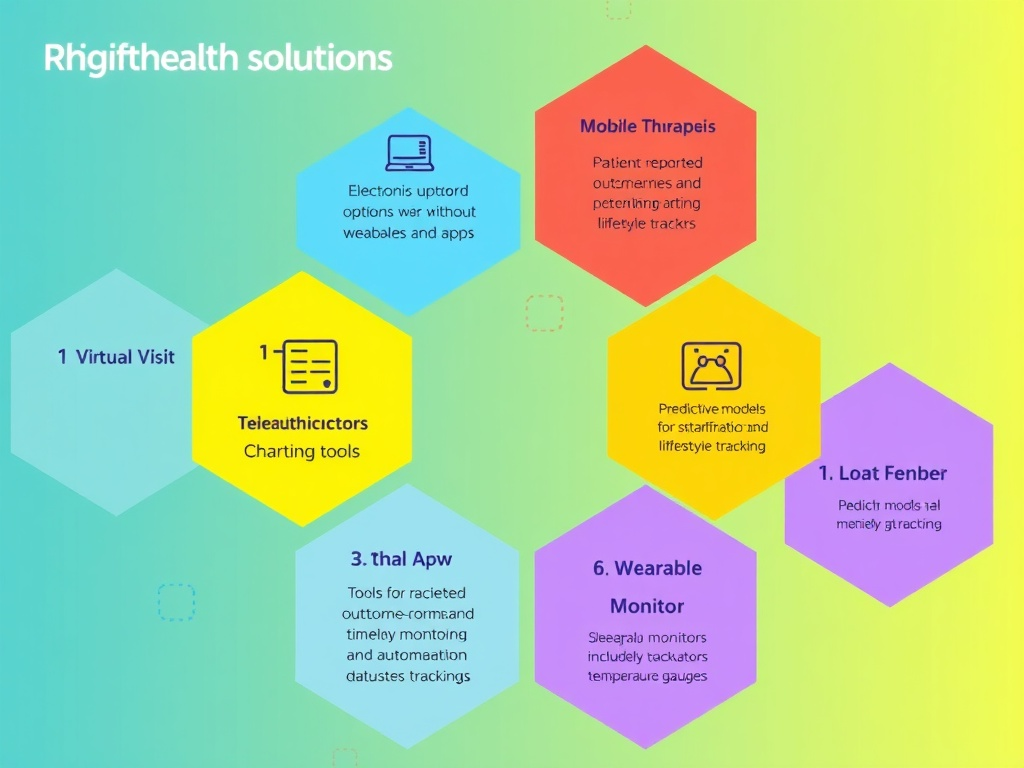
Modern technology plays a vital role in identifying and managing attrities. HR software, predictive analytics, and engagement platforms help track employee behavior, performance, and satisfaction. Early warning indicators allow managers to intervene before attrities escalate. Similarly, in research studies, digital platforms improve participant tracking, communication, and data collection. Leveraging technology enhances decision-making, reduces unnecessary attrities, and ensures smoother operations across both business and research contexts, maximizing efficiency and organizational stability.
How Leadership Decisions Influence Attrities Rates
Leadership styles and decisions directly impact attrities rates. Inclusive, transparent, and supportive leaders foster trust and reduce voluntary exits. Conversely, poor communication, inconsistent policies, or lack of recognition increases attrities. Effective leaders monitor team morale, address concerns promptly, and implement retention strategies. Leadership development programs, coaching, and performance reviews contribute to better decision-making and lower attrities. A strong leadership culture ensures employees feel valued, enhancing engagement and minimizing gradual losses over time.
Case Studies Highlighting Successful Attrities Reduction
Organizations that actively address attrities demonstrate measurable improvements in retention and performance. For example, companies implementing mentorship programs and recognition platforms report decreased turnover rates. Similarly, research studies offering regular updates, incentives, and flexible participation schedules see reduced dropout rates. Case studies reveal that understanding underlying causes, applying strategic interventions, and continuously monitoring results are critical for effective attrities management. Lessons from these examples provide actionable insights for businesses and researchers seeking to minimize gradual losses effectively.
Common Mistakes That Increase Attrities in Organizations
Several missteps accelerate attrities, including ignoring employee feedback, lacking growth opportunities, overworking staff, and failing to recognize contributions. In research, unclear instructions or poor communication can cause unnecessary participant loss. Organizations often underestimate the cost of attrities, focusing only on recruitment rather than retention. Avoiding these mistakes requires proactive management, structured policies, and human-centered approaches. Recognizing attrities early and addressing contributing factors prevents long-term losses and ensures organizational stability and consistent performance.
Conclusion: Mastering Attrities for Long-Term Success
Attrities, though natural, pose significant challenges for organizations, research studies, and teams. Understanding causes, measuring trends, and implementing strategic interventions are essential to minimize losses. Leadership, engagement, technology, and human-centered policies all contribute to reducing attrities effectively. By proactively managing attrities, organizations maintain productivity, retain valuable talent, and achieve sustainable growth, while researchers ensure accurate, reliable study outcomes. Effective attrities management transforms potential loss into strategic advantage and long-term success.
FAQs
Q1: What does attrities mean in simple terms?
Attrities refer to the gradual loss or reduction of people from a group, workplace, or study over time.
Q2: How do attrities affect employee productivity?
Attrities increase workload for remaining staff, lower morale, and require additional training for replacements, reducing overall productivity.
Q3: Can attrities impact research results?
Yes, participant dropout can skew data, reduce statistical power, and introduce bias, affecting the reliability of research outcomes.
Q4: What are common causes of attrities in organizations?
Poor management, lack of career growth, low engagement, stress, and external factors like relocation are major causes.
Q5: How can companies reduce attrities?
By offering career development, recognition, mentorship, open communication, and wellness initiatives, companies can retain employees and minimize attrities.
Q6: Is attrities the same as turnover?
Attrities are a type of turnover, usually gradual and natural, whereas turnover can include sudden or unplanned exits.
Q7: Why is monitoring attrities important?
Tracking attrities helps organizations identify trends, plan interventions, reduce costs, and maintain workforce or study stability.
For more info: streetmaginsider.co.uk
