
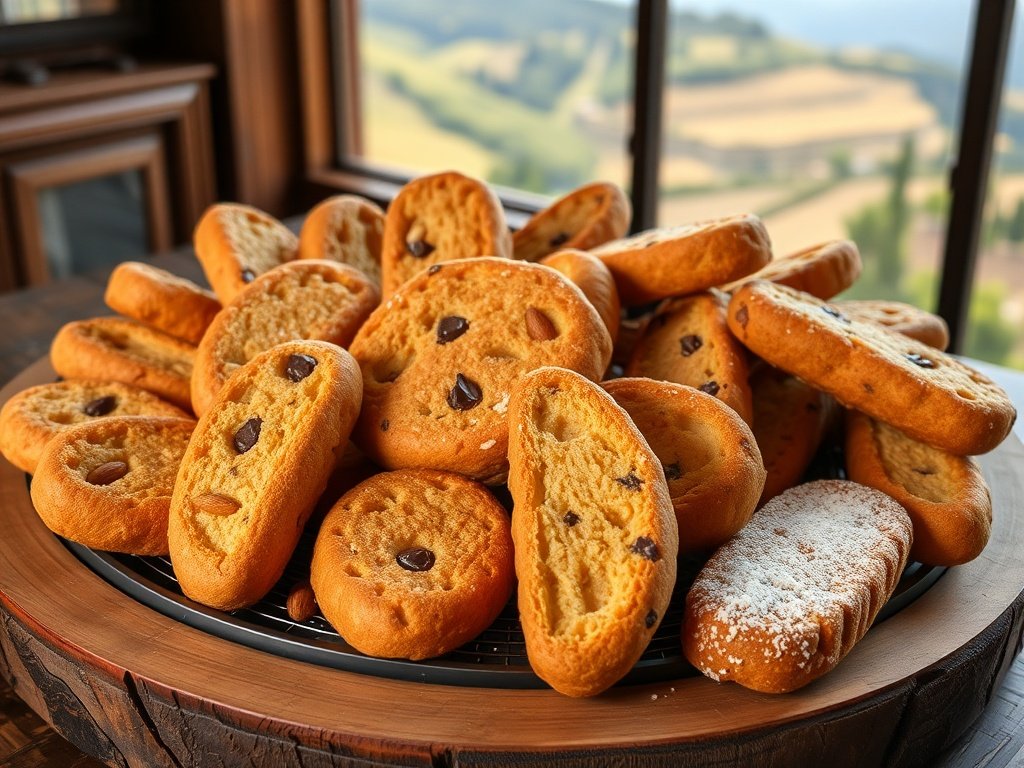
Бишкоти ди Прато are traditional Tuscan almond biscuits, crisp and slightly sweet, perfect for dipping in coffee or dessert wines. Originating from Prato, Italy, they combine simple ingredients like almonds, sugar, eggs, and flour. Their signature crunchy texture and nutty flavor make them a staple in Italian households, often enjoyed with morning espresso or as a festive treat during holidays.
Бишкоти ди Прато are iconic Italian biscuits with centuries of tradition in Tuscany. Crafted from almonds, sugar, eggs, and flour, these twice-baked treats deliver a perfect crunchy texture while remaining subtly sweet. Loved for pairing with coffee or Vin Santo, they embody Italian culinary craftsmanship. This article explores their history, authentic recipes, baking techniques, and cultural significance, helping readers understand why these almond biscuits remain timeless delights across the world. Whether baking at home or savoring them in Italy, the charm of Бишкоти ди Прато is irresistible.
The Rich History of Бишкоти ди Прато and Its Italian Roots
Бишкоти ди Прато trace their origins to the Tuscan city of Prato, Italy, where almond cultivation and baking traditions thrived. These biscuits were first enjoyed by noble families and gradually became a staple in every Tuscan household. Their name reflects both their place of origin and their unique twice-baked method, which preserves the biscuits for months. Over centuries, they have symbolized Italian culinary artistry, offering a glimpse into the simple yet refined flavors of traditional Tuscan desserts.
Understanding the Traditional Ingredients That Define Бишкоти ди Прато
Authenticity in Бишкоти ди Прато comes from using high-quality almonds, fresh eggs, sugar, and flour. Traditionally, the almonds are slightly roasted to enhance flavor, while the eggs and sugar create a light sweetness without overpowering the nutty base. Some recipes include a hint of lemon zest or vanilla to elevate the aroma. The careful balance of these ingredients is essential, as it influences both texture and taste, ensuring that each biscuit maintains the classic crispness expected in true Prato-style biscotti.
The Unique Twice-Baked Method That Creates Perfect Crispiness
What sets Бишкоти ди Прато apart is the traditional twice-baking process. After forming a log from the dough, it’s baked once to cook through, then sliced and baked again to achieve the signature crunch. This method not only enhances shelf life but also intensifies the almond flavor and aroma. Home bakers often find this step crucial, as overbaking can make the biscuits too hard, while underbaking prevents the characteristic crisp texture that defines these iconic Tuscan treats.
How Бишкоти ди Прато Pair Perfectly with Coffee and Vin Santo
Бишкоти ди Прато are traditionally enjoyed with Italian coffee, particularly espresso, which softens the biscuits slightly while complementing their nutty flavor. They are also paired with Vin Santo, a sweet Tuscan dessert wine, during festive occasions. This combination highlights the balanced sweetness and crunch of the biscuits. Serving them alongside beverages enhances their flavor experience, demonstrating how these humble treats have been elevated into cherished rituals within Italian culture and social gatherings.
Baking Бишкоти ди Прато at Home: Step-by-Step Guidance
Recreating authentic Бишкоти ди Прато at home involves a simple yet precise process. Start by mixing roasted almonds, sugar, eggs, and flour until forming a firm dough. Shape the dough into logs, bake, slice, and bake again until golden. Maintaining correct oven temperature is essential to prevent burning. Homemade versions allow bakers to experiment with flavors like lemon or vanilla while preserving the traditional almond base, making each batch both an educational and sensory experience.
The Cultural Significance of Бишкоти ди Прато in Tuscany
Beyond taste, Бишкоти ди Прато carry cultural weight in Tuscany. They are integral to holiday celebrations, often gifted in decorative boxes during Christmas and other festivals. Families pass down baking techniques through generations, embedding these biscuits into local heritage. Their longevity and universal appeal reflect Tuscany’s emphasis on simple, high-quality ingredients and time-honored methods, making them more than just a snack—they are a symbol of Italian culinary pride.
Modern Variations and Innovations in Бишкоти ди Прато Recipes
While traditional recipes remain popular, modern bakers have introduced variations such as chocolate-dipped or pistachio-enriched versions. Some infuse spices like cinnamon or cardamom, offering unique flavor profiles without losing the classic texture. These innovations appeal to contemporary palates while keeping the essence of the original biscuits intact. Culinary creativity ensures that Бишкоти ди Прато remain relevant in modern kitchens, blending tradition with experimentation.
Also read this:Attrities Meaning, Causes, and Impact: Comprehensive Human Behavior Analysis
Health Benefits of Almond-Based Бишкоти ди Прато
Almonds, the primary ingredient in Бишкоти ди Прато, provide protein, healthy fats, and essential vitamins. Although these biscuits are sweet, moderate consumption can contribute to heart health and energy. They serve as a more wholesome dessert compared to sugar-heavy alternatives. Pairing them with coffee or tea allows for portion control, making these almond treats a flavorful yet balanced indulgence that reflects the Mediterranean approach to healthful, enjoyable eating.
Storing and Preserving Бишкоти ди Прато for Maximum Freshness
Due to their twice-baked nature, Бишкоти ди Прато have excellent shelf life. Store them in airtight containers at room temperature to maintain crispness. Avoid moisture exposure, which can soften the biscuits and alter flavor. Proper storage ensures that the almonds’ aroma remains vibrant and the texture stays perfect for months. For gifting or long-term enjoyment, correct preservation is crucial to fully appreciate the craftsmanship embedded in every biscuit.
Common Mistakes to Avoid When Making Бишкоти ди Прато
Novice bakers often overmix the dough or slice the logs too thinly, resulting in brittle biscuits. Insufficient roasting of almonds can lead to muted flavor, while incorrect oven temperature affects crispness. Patience is essential, especially during the twice-baking stage. By understanding and avoiding these mistakes, bakers can achieve authentic results that rival those from traditional Prato bakeries, ensuring that every bite embodies the true spirit of these celebrated Tuscan treats.
Serving Бишкоти ди Прато Creatively Beyond Traditional Pairings
Beyond coffee and Vin Santo, Бишкоти ди Прато can accompany ice cream, yogurt, or fruit compotes. Crumbled over desserts, they add texture and nutty flavor. Some chefs use them as a crust for tarts or cakes, highlighting their versatility. Exploring creative serving methods introduces these classic biscuits to new culinary contexts while honoring their traditional roots, making them adaptable for both casual and gourmet settings.
Recognizing Genuine Бишкоти ди Прато from Imitations
Authentic Бишкоти ди Прато stand out for their precise almond balance, crisp texture, and subtle sweetness. Mass-produced versions may compromise on flavor or texture, adding artificial ingredients or excessive sugar. Understanding the traditional recipe and method helps buyers identify genuine products, ensuring an authentic experience. True Prato biscuits reflect centuries of Italian craftsmanship, making discernment important for both enthusiasts and collectors of culinary heritage.
The Role of Бишкоти ди Прато in Italian Gastronomy and Tourism
In Tuscany, Бишкоти ди Прато are more than a treat—they are a cultural attraction. Culinary tours often highlight artisanal bakeries where visitors can taste and learn the traditional methods. These biscuits embody the connection between local agriculture, history, and gastronomy. Their reputation draws food enthusiasts worldwide, demonstrating how a simple almond biscuit can become a symbol of regional identity and a point of pride in Italian tourism.
Tips for Perfectly Crunchy and Flavorful Бишкоти ди Прато Every Time
To ensure optimal results, select fresh almonds, maintain moderate oven temperatures, and respect the twice-baking technique. Slightly resting the dough before baking improves texture. Using a sharp knife ensures even slices, preventing uneven cooking. Mastery comes with patience, observation, and minor adjustments to personal taste preferences, ensuring that each batch delivers the unmistakable crunch, aroma, and nutty flavor that define these iconic Tuscan biscuits.
Conclusion: Embracing the Timeless Charm of Бишкоти ди Прато
Бишкоти ди Прато exemplify Italian culinary tradition, balancing simplicity, flavor, and cultural significance. From authentic recipes to modern variations, they continue to delight both locals and visitors. Their versatility, healthful almond base, and unique crunch make them timeless treats. Whether enjoyed with coffee, dessert wine, or incorporated into creative recipes, these biscuits embody the essence of Tuscany, inviting everyone to savor history, craftsmanship, and joy in every bite.
FAQs
Q1: What are Бишкоти ди Прато?
Бишкоти ди Прато are traditional Tuscan almond biscuits, crisp, slightly sweet, and perfect for coffee or dessert wine.
Q2: Where did Бишкоти ди Прато originate?
They originated in Prato, Tuscany, Italy, where almond cultivation and baking traditions thrived for centuries.
Q3: How are Бишкоти ди Прато traditionally baked?
They are twice-baked: first as a whole log, then sliced and baked again to achieve crispness.
Q4: Can I make Бишкоти ди Прато at home?
Yes, using almonds, sugar, eggs, and flour, following the traditional shaping and twice-baking process.
Q5: What drinks pair best with Бишкоти ди Прато?
Espresso, coffee, and Vin Santo are traditional pairings, enhancing the biscuit’s nutty flavor.
Q6: How long can Бишкоти ди Прато be stored?
Stored in airtight containers at room temperature, they remain crisp and flavorful for several months.
Q7: Are there modern variations of Бишкоти ди Прато?
Yes, chocolate-dipped, pistachio, or spiced versions are popular while preserving the classic texture and taste.
For more info: streetmaginsider.co.uk
