
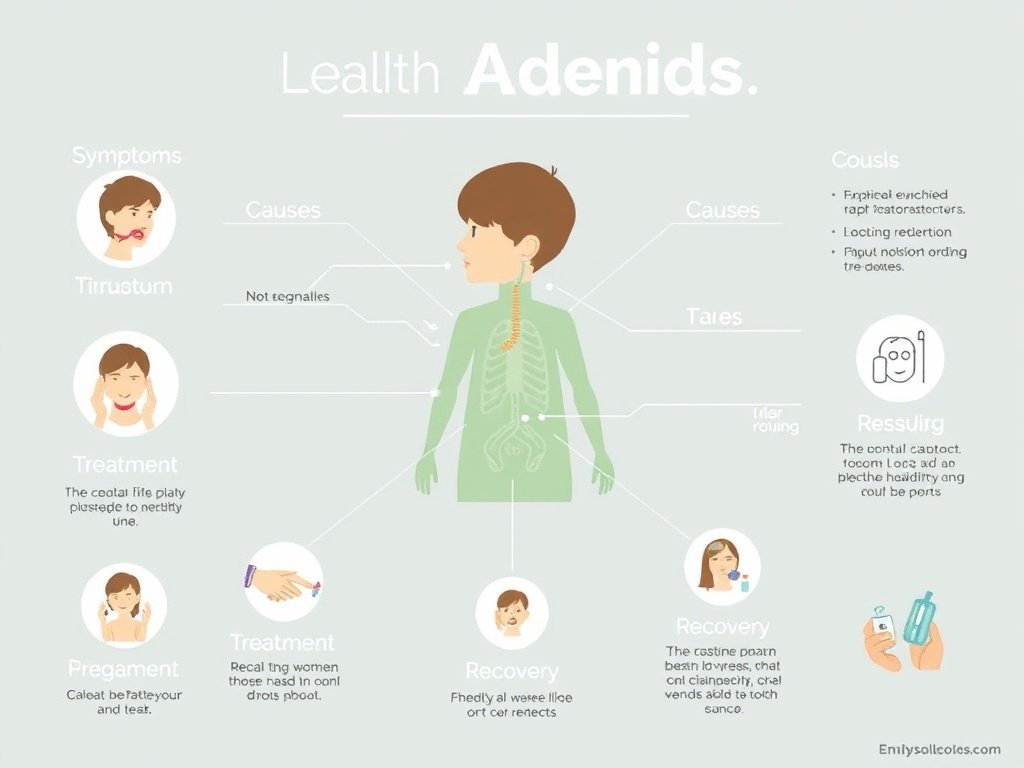
Adenoidid is the inflammation or infection of the adenoids, small lymphatic tissues behind the nasal passage. It can cause nasal congestion, snoring, ear infections, and breathing difficulties. Mild cases may resolve with medication, while persistent or severe cases may require surgical removal. Early diagnosis and proper care prevent complications, ensuring better sleep, breathing, and overall immune health.
Adenoidid affects both children and adults, causing inflammation of the adenoids, which are small tissues located behind the nose. This condition can result in chronic nasal congestion, breathing difficulties, snoring, and recurrent infections. Understanding its symptoms, causes, and treatment options is key to preventing long-term complications. This article explains medical approaches, recovery tips, and lifestyle strategies to manage adenoidid effectively while supporting respiratory and immune health
Understanding Adenoidid and Its Effect on Respiratory Health
Adenoidid occurs when the adenoids, small lymphatic tissues behind the nasal passage, become inflamed or infected. These tissues are part of the immune system and help trap bacteria and viruses. When enlarged, they can block airflow, causing chronic nasal congestion, snoring, and difficulty breathing. In children, adenoidid can also lead to frequent ear infections and sleep disruption. Understanding how adenoidid affects overall health is crucial to ensuring timely treatment and preventing long-term complications.
Major Causes of Adenoidid and Who is at Risk
Adenoidid is usually caused by viral or bacterial infections that irritate adenoid tissues. Children are more vulnerable due to their developing immune systems, while environmental factors like allergens, smoke, and crowded living conditions can increase risk. Frequent colds or sinus infections may worsen inflammation, causing adenoidid to recur. Recognizing these causes helps in prevention and early treatment, reducing the likelihood of persistent breathing problems or recurrent infections.
Common Symptoms That Indicate Adenoidid
Early detection of adenoidid is important for effective management. Symptoms often include nasal congestion, mouth breathing, snoring, frequent sinus infections, and ear pain. Children may experience restless sleep, fatigue, and speech difficulties. Persistent throat infections and swollen lymph nodes may also indicate chronic inflammation. Prompt medical evaluation ensures early intervention, reducing the risk of long-term respiratory or ear-related complications.
How Adenoidid Impacts Sleep Patterns and Breathing
Enlarged adenoids can obstruct nasal passages, forcing mouth breathing and causing snoring or sleep disturbances. In severe cases, children may develop sleep apnea, which affects growth, concentration, and daytime energy. Adults may also experience fatigue and poor sleep quality. Understanding this connection emphasizes the importance of treating adenoidid promptly to restore proper airflow, improve sleep, and prevent long-term health issues.
Diagnosing Adenoidid: Tests and Medical Examinations
ENT specialists diagnose adenoidid through physical exams and nasal endoscopy to check for swelling. Imaging tests such as X-rays or CT scans can reveal adenoid enlargement. Doctors also consider the patient’s history of recurrent infections, breathing difficulties, and sleep problems. Accurate diagnosis is essential for selecting the right treatment, whether medical management or surgical intervention, to prevent complications like chronic ear infections or sleep disturbances.
Also read this: Uncuymaza Benefits Explained: Boost Health, Energy, Focus, and Wellness Naturally
Medical Treatments for Managing Adenoidid
Mild adenoidid cases often improve with antibiotics or anti-inflammatory medications to reduce infection and swelling. Nasal sprays, saline irrigation, and decongestants can relieve symptoms temporarily. Doctors usually monitor recurring symptoms before recommending surgery. Proper adherence to medication and care routines improves breathing, reduces snoring, and helps prevent infections. Medical management focuses on restoring respiratory function and supporting the immune system while avoiding unnecessary invasive procedures.
When Surgery Becomes Necessary for Adenoidid
Surgical removal of adenoids, called adenoidectomy, is recommended for persistent cases causing breathing difficulties, sleep problems, or recurrent infections. The procedure is generally safe, with quick recovery and minimal complications. Surgeons assess adenoid size, infection frequency, and overall health before recommending surgery. Adenoidectomy often provides a long-term solution, especially for children whose adenoids do not naturally shrink as they grow.
Lifestyle Adjustments to Support Recovery
Lifestyle changes can complement medical care and improve outcomes for adenoidid. Maintaining clean indoor air, avoiding smoke exposure, and using humidifiers can reduce irritation. Adequate hydration, a nutrient-rich diet, and proper hand hygiene support immune health. Reducing exposure to allergens such as dust or pollen prevents inflammation triggers. Consistent lifestyle adjustments help patients recover faster and maintain long-term respiratory wellness.
Home Remedies to Relieve Adenoidid Symptoms
Certain home remedies can alleviate adenoidid discomfort. Saline nasal rinses help clear mucus and reduce swelling, while steam inhalation eases nasal blockage. Herbal teas and honey may soothe throat irritation. These methods provide temporary relief but should complement professional treatment. Ensuring remedies are safe for children or adults prevents complications while improving comfort during recovery.
Complications of Untreated Adenoidid
If left untreated, adenoidid can cause serious issues, including chronic nasal blockage, ear infections, and sleep apnea. Children may experience facial or dental changes due to prolonged mouth breathing, and recurrent infections can weaken immunity. Adults may suffer fatigue and reduced productivity. Early diagnosis and treatment are crucial to prevent these complications, emphasizing the importance of medical care and monitoring symptoms closely.
Adenoidid and Ear Health: Understanding the Connection
Adenoids are close to the Eustachian tubes, which regulate middle ear pressure. Inflammation or enlargement can block these tubes, causing fluid buildup, ear infections, or temporary hearing loss. Children are more vulnerable, potentially affecting speech and learning. ENT specialists often monitor ear health while managing adenoidid to prevent long-term complications and ensure both respiratory and auditory systems function properly.
Recovery and Post-Treatment Care Strategies
Recovery depends on the treatment approach. For medical management, symptoms may improve in days to weeks. Post-surgery recovery typically involves rest, mild discomfort, and limited activity. Proper hydration, diet, and adherence to medical instructions support healing. Regular follow-ups allow doctors to monitor progress and prevent recurrence. Educating patients on symptom recognition ensures timely intervention and long-term respiratory and immune health.
Preventing Recurrence of Adenoidid
Preventive strategies include good hygiene, avoiding allergens, vaccinations, and monitoring early symptoms. Children should be watched for recurrent infections, nasal obstruction, or breathing problems. Reducing exposure to irritants and maintaining overall immune health helps prevent adenoidid from returning. Prevention, combined with medical care, ensures that both children and adults maintain healthy adenoids and avoid chronic inflammation or infections.
Supporting the Immune System During Adenoidid
Adenoids are part of the immune system, helping detect and fight pathogens. When inflamed, their immune function can be compromised, increasing susceptibility to infections. Medical treatments aim to reduce inflammation while supporting immune health. Lifestyle adjustments, proper nutrition, and preventive care enhance recovery. Maintaining a strong immune system ensures faster healing, fewer complications, and better overall respiratory health for patients with adenoidid.
Long-Term Outlook and Managing Future Risks
With proper care, most patients recover fully from adenoidid without lasting effects. Some may experience recurrence, particularly children exposed to frequent infections or allergens. Regular check-ups, hygiene practices, and monitoring for early symptoms help prevent future complications. Long-term management focuses on maintaining respiratory health, supporting immunity, and preventing recurrent infections to ensure sustained wellness and quality of life.
Conclusion: Comprehensive Approach to Adenoidid Care
Adenoidid requires timely attention to prevent complications affecting breathing, sleep, and ear health. Accurate diagnosis, effective medical or surgical treatments, and lifestyle adjustments ensure recovery and long-term wellness. Awareness of symptoms, preventive strategies, and post-treatment care empower patients to manage adenoidid effectively. Combining professional guidance with practical daily measures helps maintain healthy adenoids and supports overall respiratory and immune system function.
FAQs (People Also Ask)
1. What is adenoidid and who gets it?
Adenoidid is inflammation or infection of the adenoids, common in children but can also affect adults.
2. How do doctors diagnose adenoidid?
ENT specialists use physical exams, nasal endoscopy, and imaging to assess swelling and confirm the condition.
3. What are common symptoms of adenoidid?
Symptoms include nasal congestion, snoring, mouth breathing, recurrent infections, and sleep disturbances.
4. Can adenoidid be treated without surgery?
Yes, mild cases may improve with antibiotics, nasal sprays, and lifestyle adjustments. Surgery is for persistent or severe cases.
5. Does adenoidid affect hearing?
Yes, enlarged adenoids can block Eustachian tubes, causing fluid buildup and temporary hearing problems.
6. How long is recovery after adenoidectomy?
Recovery usually takes a few days to a week, with mild discomfort and limited activity recommended.
7. How can adenoidid be prevented?
Good hygiene, avoiding smoke and allergens, vaccinations, and early treatment of infections reduce the risk of recurrence.
For more info: streetmaginsider.co.uk
