
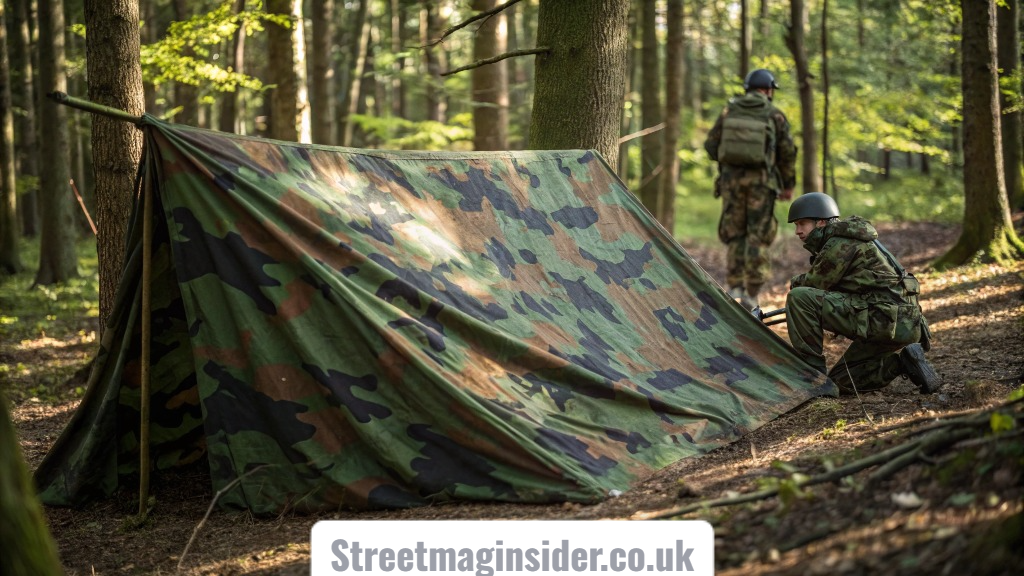
Tarnplanen are heavy-duty protective sheets made from waterproof, tear‑resistant materials designed to shield equipment, structures, and surfaces from weather and damage outdoors. They balance strength, flexibility, and longevity, making them ideal for camping, construction, agriculture, and transport. Choosing the right one depends on size, material weight, weave density, and coating type to suit specific environmental challenges.
This comprehensive article explains everything you need to know about choosing, using, and maintaining protective outdoor sheets often referred to as tarpaulins. It breaks down features, materials, sizing, environmental benefits, common applications, and care tips to help readers confidently select the best option for their needs. Whether for camping, heavy equipment, or backyard protection, this guide simplifies the buying process with practical, expert insights you can trust.
Understanding What Tarnplanen Really Means for Outdoor Protection
When you first look for protection from rain, sun, or dust, you might encounter the term tarnplanen in product descriptions. It refers to protective covers engineered to shield items in diverse outdoor settings. These sheets combine flexibility and strength, meeting the needs of campers, builders, and homeowners. Knowing what makes these covers effective helps you make smarter purchases. Understanding the real meaning behind this term ensures you get a sheet that lasts, resists wear, and performs exactly how you expect.
Why Waterproof Material Is Crucial When Choosing Your Protective Cover
Waterproofing is one of the most important features to consider. Without a proper waterproof layer, rainwater can seep through, damaging the items you intended to protect. Quality waterproof covers are manufactured with coatings that repel water and prevent moisture buildup underneath. Moisture can lead to rust, rot, or mold on sensitive surfaces and stored equipment. Ensuring complete waterproof performance means examining layers and finishes carefully before making your selection.
Exploring the Difference Between Lightweight and Heavy-Duty Sheets
Not all protective sheets are built the same, and understanding the difference between lightweight and heavy-duty options makes a big difference in performance. Lightweight options tend to be easier to handle and transport, but they may lack durability in harsh conditions. Heavy-duty covers are thicker, more tear-resistant, and designed to withstand wind and prolonged sun exposure. Your intended use will determine which balance of weight and strength is right for your situation.
How Material Type Affects Durability and Flexibility Outdoors
Material choice largely determines how well a protective cover performs over time. Some sheets are made from polyethylene, which resists moisture and mildew effectively, while others use canvas blends that balance breathability with resilience. Vinyl-coated fabric offers excellent durability under rugged conditions. The material must flex without cracking and resist abrasion from sharp edges or rough surfaces. Assessing how material properties align with your use environment ensures longevity and value.
Choosing the Right Size and Fit for Effective Protection Purposes
Selecting the correct size for your protective cover is essential to ensure complete coverage. A sheet that is too small leaves items partially exposed, while one that’s excessively oversized increases the risk of flapping in the wind. Measuring the object or area you intend to cover, and adding a margin for secure attachment, helps you achieve a snug and reliable fit. Proper sizing prevents unnecessary strain on attachment points and enhances overall performance.
How Reinforced Edges Improve Strength and Longevity Outdoors
Reinforced edges significantly improve a cover’s resistance to tearing and fraying. These strengthened borders usually include heavier stitching, additional material layers, or integrated webbing for tying down. When you use a protective sheet in windy or high‑stress conditions, these reinforcements help it stay intact and functional. Covers without reinforced edges often fail first at the corners or borders, making this feature a key consideration for long‑term use.
Also read this: How to Understand, Identify, and Safely Manage Asbestlint Exposure Risks
The Role of UV Protection in Preventing Sun Damage Over Time
Ultraviolet rays from the sun can degrade many materials if they lack proper protection. UV‑stabilized covers resist fading and weakening even after prolonged exposure. This feature is especially important in hot climates where the sun’s intensity accelerates wear. Investing in UV‑protected sheets means your equipment continues to enjoy reliable shielding throughout the seasons. Without UV resistance, colors may fade, fibers can become brittle, and overall performance diminishes quickly.
Using Grommets and Tie‑Downs to Secure Your Protective Sheeting
Grommets and tie‑downs play a critical role in fastening protective sheets securely. Strategically placed metal rings allow ropes or cords to pass through without tearing the fabric. They provide anchor points to hold the sheet tight against wind and movement. Choosing covers with well‑spaced, rust‑resistant grommets ensures long‑lasting usability. Securing protective sheets properly not only improves stability but also prevents shifting that can expose your items to damage.
How Seasonal Conditions Influence Your Selection of Outdoor Covering
Different weather conditions demand different protective features. In rainy seasons, waterproofing and drainage become priorities to avoid water pooling. In snowy conditions, you need a tougher structure to handle weight and abrasion. Windy environments call for stronger anchoring options. Evaluating local seasonal patterns helps you select sheets tailored to challenges in your area. Considering specific climatic pressures ensures your protective solution performs reliably year after year.
Practical Tips for Installing Covers on Large Surfaces or Equipment
Installing large protective sheets can be challenging without preparation. Working with a partner makes alignment easier and helps prevent damage during installation. Start by spreading the sheet evenly over the surface, aligning edges, and securing one corner before moving systematically. Using straps and bungee cords allows flexibility while maintaining tension. Taking your time during installation reduces stress on the fabric, providing better protection and minimizing wear from incorrect placement.
How to Clean and Maintain Your Protective Sheeting for Longevity
Regular cleaning and maintenance extend the lifespan of your protective covers. After exposure to dirt or debris, gently wash with mild soap and water, avoiding harsh chemicals that can weaken the material. Allow the sheet to dry completely before folding to prevent mildew growth. Store in a dry, cool space away from direct sunlight when not in use. Routine care prevents buildup of damaging elements, keeps protective performance high, and saves money by avoiding premature replacement.
Recognizing Common Issues and How to Repair Minor Tears
Even durable protective sheets can suffer minor tears or punctures over time. Addressing these early prevents them from growing larger. For small damage, patching with compatible repair kits designed for the material type works well. Clean the area before applying adhesive patches to ensure proper bonding. Reinforcing weak spots can also prevent future issues. Understanding simple repair techniques allows you to maintain protection without costly professional fixes.
Why Warranty and Brand Reputation Matter When Making a Purchase
Choosing a protective cover backed by a solid warranty reflects confidence from the manufacturer. A good warranty protects you against defects and early failure, offering peace of mind with your investment. Brand reputation also indicates consistent quality based on customer experience and product testing. Researching reviews and expert opinions helps you choose products that deliver real value. Prioritizing reliability over price alone ensures you get a protective solution that lasts through varied conditions.
Emerging Innovations in Protective Sheet Materials and Design
Product innovation continues to improve performance and sustainability in protective sheets. Newer fabric technologies enhance waterproofing, reduce weight without sacrificing strength, and improve environmental resistance. Some designs include integrated attachment systems for easier installation and enhanced adaptability. Awareness of these advancements allows you to benefit from improved durability and convenience. Staying informed about evolving materials ensures your next protective cover investment offers the best features available on the market.
Conclusion: Making an Informed Choice for Outdoor Protection Needs
Selecting the right outdoor protective sheet requires understanding materials, fit, reinforcement, and environmental demands. By considering waterproofing, UV resistance, and structural strength, you can ensure your items remain safe from weather and wear. Proper installation, maintenance, and occasional repair keep covers functioning longer. Investing in quality and informed decisions saves time and money while providing reliable protection. With patience and knowledge, you can choose a solution that stands up to real‑world outdoor challenges.
FAQs (People Also Ask)
What are tarpaulins most commonly used for?
Tarpaulins protect equipment, vehicles, construction sites, gardens, and outdoor furniture from weather, dust, and damage.
How do I choose the right protective sheet thickness?
Select thickness based on expected weather severity, required durability, and frequency of use to balance strength with ease of handling.
Can protective sheets be reused year after year?
Yes, with proper maintenance, cleaning, and storage, quality covers can last multiple seasons before replacement is needed.
How can I secure large sheets in windy conditions?
Use reinforced grommets, strong tie‑downs, and secure anchor points to prevent movement and reduce strain from wind.
Is it better to use canvas or synthetic materials for covers?
Synthetic materials like polyethylene offer superior waterproofing and mildew resistance, while canvas provides breathability and strength in dry conditions.
What maintenance helps protect sheets from mold?
Cleaning debris, washing gently, and ensuring complete drying before storage prevents moisture buildup and mold development.
Are more expensive protective sheets worth the cost?
Higher‑quality sheets often provide better durability, longer life, and more reliable protection, making them a worthwhile investment.
Fore more info: Streetmaginsider.co.uk
