
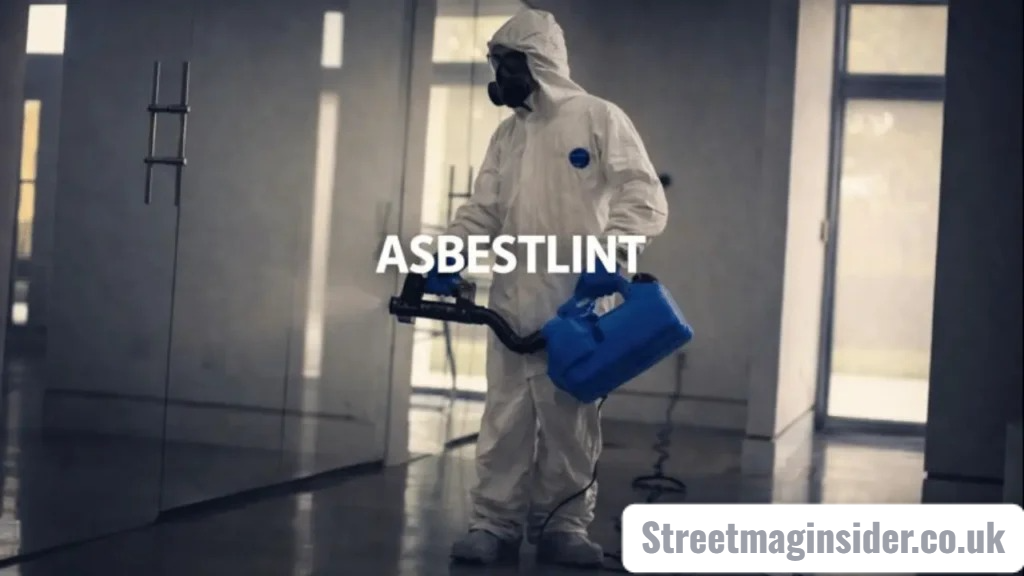
Asbestlint refers to fine asbestos fibers released from damaged or disturbed asbestos‑containing materials. These microscopic fibers can become airborne and, when inhaled, pose serious respiratory health risks including lung irritation and long‑term conditions. Identifying and managing asbestlint requires professional assessment and safe removal practices to prevent exposure and protect indoor air quality and human health.
This article explains what asbestlint is, why it matters, and how it affects health and safety. You will learn how asbestos fibers become airborne, common sources where they appear, and how to recognize the risks in buildings or fabrics. It breaks down expert guidance on assessment, prevention, and safe handling practices so readers can understand necessary caution without confusion. By the end, you’ll be better equipped to address concerns and take informed actions with confidence.
What Asbestlint Means and Why It Matters for Indoor Air Quality
Asbestlint describes the tiny, often invisible asbestos fibers released when materials that contain asbestos are damaged. These fibers can linger in the air and settle on surfaces, affecting indoor environments. Unlike visible dust, asbestlint is dangerous because it can be inhaled deep into the lungs. Understanding this term is important when working around older buildings or materials, so occupants and workers know when to be cautious and seek professional support.
The Historical Use of Asbestos and How Asbestlint Is Created
For decades, asbestos was used in construction due to its heat resistance and strength. Over time, materials like insulation, ceiling tiles, and floor coverings containing asbestos can break down. When this breakdown happens, microscopic fibers detach and form asbestlint in the surrounding area. Everyday wear, renovations, or improper disturbance can produce these fibers. Awareness of historical use helps people predict where asbestlint may be present and how it got released.
Health Effects of Inhaling Asbestlint Fibers in Human Lungs
When asbestlint particles are breathed in, they can become trapped in lung tissue and irritate cells over time. Even though immediate symptoms may not appear, long‑term exposure increases the risk of respiratory issues. Conditions linked to asbestos exposure include persistent coughing, reduced lung function, and inflammation. Prolonged contact with asbestlint is also associated with more serious diseases that develop slowly, making preventing exposure critical for health.
Recognizing Common Sources Where Asbestlint May Originate
Older homes and industrial buildings often contain materials that can generate asbestlint if disturbed. Loose insulation, frayed fireproof fabrics, or crumbling ceiling tiles are examples. Activities such as drilling, sanding, or demolition may release fibers. Identifying these sources requires careful inspection and sometimes professional testing. By recognizing where asbestlint comes from, occupants can avoid unnecessary exposure and take protective steps before beginning any renovation work.
How Professionals Test for Asbestlint in the Environment
Testing for asbestlint usually involves taking air or material samples and analyzing them under high‑power microscopes. Certified inspectors follow strict protocols to avoid contamination of samples. These experts can determine fiber concentration and whether materials are friable, meaning they easily release fibers. Professional evaluation helps determine whether intervention is necessary and guides safe cleanup planning. DIY testing is not recommended due to health risks and the need for specialized equipment.
Strategies for Preventing Asbestlint Exposure During Renovations
Before starting renovations in older properties, it’s vital to identify asbestos‑containing materials that could produce asbestlint. Encapsulation, sealing, or complete removal by trained specialists can minimize fiber release. Work areas should be sealed off, and protective gear used to prevent inhalation. Proper planning and adherence to safety guidelines help reduce the chance of disturbing hidden asbestos. Taking preventive measures preserves air quality and protects workers and residents alike.
Safe Removal Practices for Areas Contaminated with Asbestlint
Removing materials that generate asbestlint is a job for trained professionals equipped with respirators and containment tools. They follow legal regulations to contain, extract, and dispose of hazardous waste. Improper removal can spread fibers and worsen indoor contamination. After removal, thorough cleaning and air monitoring confirm that conditions are safe again. Hiring qualified specialists ensures that the process protects health and complies with regional safety standards.
Also read this: Mannacote Secrets: Craft Authentic Italian Stuffed Pasta at Home
Personal Protective Measures Against Asbestlint in Work Settings
When working in environments where asbestlint might be present, proper protective equipment is essential. Respirators with suitable filters help prevent inhalation of microscopic fibers. Protective clothing that is disposable or washable can reduce contamination spread. Workers should follow established safety protocols and training guidelines to minimize risk. Using the right gear and procedures creates a safer workspace and helps ensure that fibers do not enter personal living areas.
Why Air Filtration and Ventilation Matter in Areas with Asbestlint
Effective air filtration systems equipped with high‑efficiency filters can capture fine particles, including asbestlint, improving air quality. Ventilation helps dilute airborne fibers and directs them outside the building. In areas with known risks, maintaining clean airflow reduces the concentration of harmful particles. This approach, combined with containment of disturbed materials, creates an environment where airborne fibers are less likely to accumulate and pose health threats over time.
The Legal and Regulatory Framework for Managing Asbestlint Hazards
Many countries enforce regulations governing asbestos handling to protect public health. These laws specify how materials are identified, removed, and disposed of when asbestlint risk is present. Compliance with safety standards avoids legal penalties and ensures safe practices. Building owners and contractors must stay informed about requirements in their region. Understanding regulatory expectations helps guide responsible actions that limit liability and safeguard occupants.
Long‑Term Monitoring to Ensure Asbestlint Does Not Reappear
After remediation of asbestlint sources, regular monitoring is important to ensure conditions remain safe. Scheduled inspections and periodic air quality testing can detect any changes. Monitoring plans help catch new deterioration or damage that could release fibers. Homeowners and property managers benefit from ongoing vigilance, especially in older structures. Consistent attention protects health by identifying issues early, before fibers accumulate again in living or work environments.
Community Awareness and Education About Asbestlint Risks
Educating residents, workers, and property owners about asbestlint risks promotes safer communities. Public health organizations and occupational safety professionals share guidance on recognizing hazards. Awareness campaigns help people understand when to seek professional help. Knowledge reduces fear and enables informed decisions about repairs and renovations. Communities that prioritize education build resilience against exposure and encourage responsible handling of potential asbestos hazards.
How Asbestlint Differs from Visible Dust and Other Indoor Particles
Unlike visible dust that settles quickly and can be wiped away, asbestlint particles are microscopic and stay suspended in the air longer. Their size allows them to penetrate deep into the lungs when inhaled. Ordinary cleaning methods like sweeping may stir fibers rather than remove them. Understanding this difference underscores why specialized approaches are necessary when dealing with asbestos contamination. Treating all indoor dust as equal can lead to unsafe assumptions.
The Role of Building Age and Material Condition in Asbestlint Presence
Buildings constructed before certain safety bans often contain asbestos‑based products that can degrade over time. As materials age, they become brittle and more likely to release fibers. The condition of surfaces and insulation directly influences the potential for asbestlint formation. Regular building assessments, especially in older properties, help identify risk areas. By tracking material condition and age, property managers can plan maintenance that prevents fiber release before it becomes a problem.
Supporting Vulnerable Populations Against Asbestlint Exposure
Children, older adults, and individuals with respiratory conditions are especially vulnerable to airborne contaminants like asbestlint. Ensuring safe indoor environments for these groups requires careful planning and professional support where risks exist. Reducing exposure helps protect developing lungs in youth and prevents complications in those with compromised health. Tailoring safety strategies to the needs of vulnerable populations reinforces the importance of proactive health protection in every setting.
Conclusion: Understanding and Managing Asbestlint for Health and Safety
Overall, asbestlint represents a hidden hazard that demands careful identification, professional evaluation, and strict safety practices. Recognizing its sources, understanding health implications, and taking informed steps toward prevention and remediation are essential. With proper awareness, protective measures, and compliance with regulations, individuals and communities can reduce risks and maintain safer indoor environments. Addressing concerns early promotes long‑term wellbeing and confidence in managing potential asbestos exposure.
FAQs
What exactly is asbestlint and how is it different from regular dust?
Asbestlint consists of microscopic asbestos fibers released when asbestos‑containing materials are disturbed. Unlike regular dust, these fibers can be inhaled deep into the lungs and pose health risks.
How can I tell if my home has asbestlint?
Visible inspection alone cannot confirm asbestlint. Certified professionals must take air or material samples and analyze them to identify asbestos fiber presence.
Are there symptoms from short‑term exposure to asbestlint?
Short‑term exposure may not cause noticeable symptoms, but repeated or significant exposure increases risk for respiratory irritation and long‑term health issues.
Can I clean asbestlint myself with regular household cleaning tools?
No. Regular cleaning can stir up microscopic fibers. Professional abatement and specialized equipment are required to safely remove asbestos contamination.
Is asbestlint dangerous for children and pets?
Yes. Small airborne fibers can be inhaled by children and pets, increasing the risk of respiratory irritation and long‑term health concerns if exposure is significant.
What should I do if I suspect asbestlint during a renovation?
Stop work immediately and contact certified asbestos inspectors to assess the area before continuing. Professional evaluation helps plan safe handling and removal.
Does proper ventilation eliminate all risks from asbestlint?
Ventilation and filtration reduce airborne particles but do not replace professional containment and removal of the source of asbestos fibers.
Fore more info: Streetmaginisder.co.uk
