
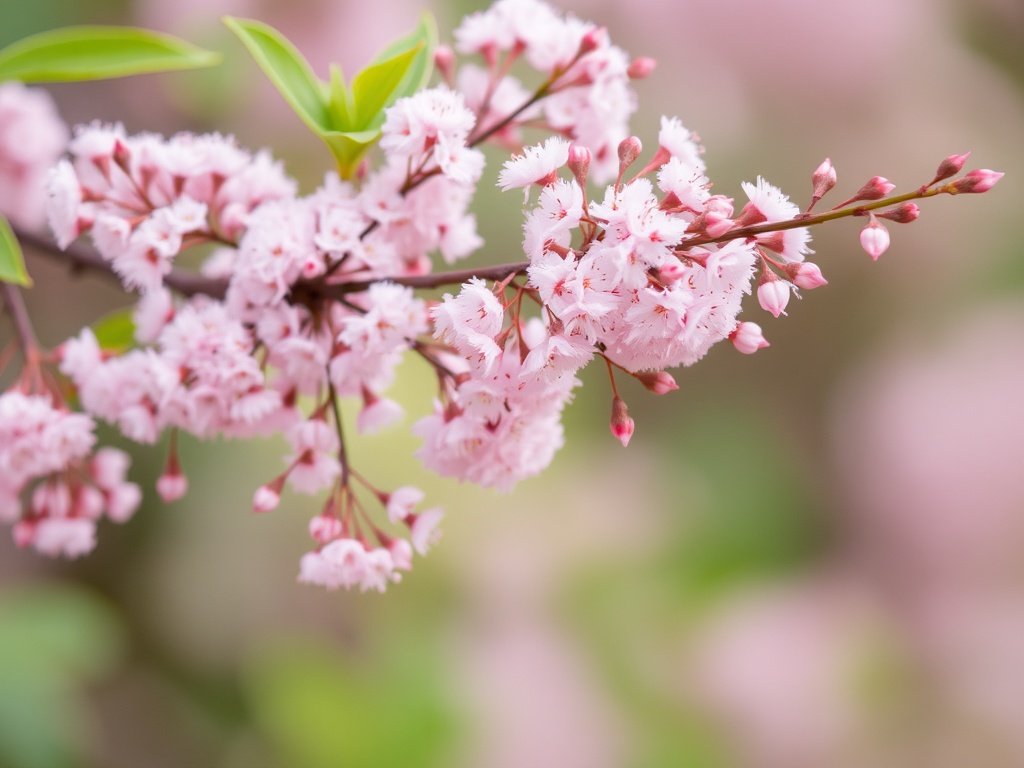
Ракитовица is a peaceful rural settlement known for its natural landscapes, cultural heritage, and traditional lifestyle. Surrounded by green hills, rivers, and fertile land, it offers visitors tranquility, authentic local cuisine, and outdoor activities like hiking and fishing. It represents a blend of history and nature, making it attractive for travelers, researchers, and those seeking a quiet living environment.
Ракитовица is more than just a small settlement; it is a destination where tradition, nature, and community life merge beautifully. This detailed guide explores its historical roots, geographical importance, cultural identity, economic activities, and tourism potential. Readers will discover how the area preserves its heritage while adapting to modern changes. From scenic landscapes to local customs and development opportunities, every aspect is covered in depth. Whether you are planning to visit, invest, relocate, or simply learn about regional settlements, this article provides practical and engaging insights. Continue reading to understand why this place stands out among rural destinations.
Historical Origins and Cultural Foundations of Ракитовица
The historical roots of Ракитовица stretch back centuries, reflecting layers of settlement, migration, and cultural transformation. Local traditions suggest that early communities formed around fertile land and water sources, allowing agriculture and livestock to flourish. Over time, architectural styles, folklore, and customs evolved, creating a distinct identity. Historical records indicate influences from regional powers that shaped language and traditions. Today, remnants of older structures and oral stories preserve collective memory. This continuity between past and present makes the settlement culturally significant and historically intriguing for researchers and visitors alike.
Geographic Landscape and Natural Environment Surrounding the Settlement
The natural setting plays a central role in defining the character of the area. Rolling hills, open meadows, and nearby rivers create a scenic and balanced ecosystem. The climate supports agriculture and diverse plant species, while wildlife thrives in undisturbed zones. Seasonal changes bring vibrant colors, from lush green springs to golden autumn landscapes. Clean air and low industrial impact contribute to a healthy environment. This geographic diversity not only enhances daily life but also attracts eco-tourism and outdoor enthusiasts seeking authentic rural scenery.
Demographic Profile and Community Lifestyle in Modern Times
The population structure reflects a close-knit rural community where families often maintain multi-generational ties. Social bonds remain strong, with neighbors supporting one another in agricultural work and local events. Younger residents increasingly seek education in nearby urban centers while preserving traditional values. Community gatherings, seasonal celebrations, and shared religious practices reinforce identity. Despite modernization, the lifestyle remains calm and structured around natural rhythms. This balance between tradition and progress defines daily life and sustains social harmony within the settlement.
Agricultural Practices and Local Economic Activities
Agriculture remains a cornerstone of the local economy, with crops and livestock forming primary income sources. Fertile soil and favorable weather conditions allow farmers to cultivate grains, vegetables, and fruit trees. Small-scale dairy and meat production contribute to regional markets. Many households combine farming with craft production, including handmade goods and preserved foods. Economic resilience depends on adaptability, and some residents explore agritourism or eco-friendly ventures. These activities ensure sustainability while maintaining a connection to traditional rural livelihoods.
Architectural Style and Traditional Rural Housing Patterns
The architectural landscape reflects practicality combined with regional aesthetics. Homes are typically built using locally sourced materials such as stone and wood, ensuring durability and insulation. Courtyards often include gardens and storage areas for harvests. Decorative elements may highlight cultural influences passed down through generations. Restoration efforts aim to preserve historical features while incorporating modern utilities. This architectural harmony demonstrates how rural communities evolve without losing their visual identity or structural authenticity.
Cultural Traditions, Folklore, and Community Celebrations
Cultural expression is deeply rooted in music, dance, and storytelling. Seasonal festivals celebrate harvests, religious holidays, and communal achievements. Traditional clothing, songs, and recipes are preserved during gatherings, allowing younger generations to connect with heritage. Folklore narratives often describe historical events or natural landmarks, strengthening collective memory. Artisans contribute handmade crafts that reflect regional symbolism. These cultural traditions serve as both social glue and educational tools, ensuring continuity of identity in changing times.
Also read this: 03316302561 Who Called Me? Spam Alert & Caller Details
Educational Opportunities and Youth Development Prospects
Access to education influences the long-term development of any rural settlement. Local schools provide foundational learning, while secondary and higher education institutions are typically located in nearby towns. Digital connectivity has improved access to online resources, enabling students to explore broader opportunities. Youth engagement programs focus on cultural preservation and skill development. Encouraging entrepreneurship and technological literacy helps reduce migration pressures. Investing in education ensures that future generations can contribute positively while maintaining local roots.
Tourism Potential and Emerging Rural Travel Experiences
Rural tourism offers significant growth potential, particularly for travelers seeking authenticity and tranquility. Visitors are drawn to hiking trails, fishing spots, and traditional farm experiences. Homestays provide immersive cultural exchanges and locally prepared cuisine. The absence of overcrowding enhances relaxation and personal connection with nature. Marketing strategies emphasizing eco-tourism and heritage tourism can expand visibility. Sustainable tourism development benefits residents economically while protecting environmental integrity and cultural authenticity.
Infrastructure Development and Accessibility Improvements
Infrastructure plays a crucial role in supporting economic and social growth. Road connectivity determines access to markets, healthcare, and education facilities. Gradual improvements in transportation and communication networks enhance living standards. Water supply systems and energy distribution continue to modernize. Responsible planning ensures that development does not compromise natural beauty. Balanced infrastructure investment allows rural communities to remain competitive while retaining their traditional atmosphere.
Environmental Sustainability and Natural Resource Management
Environmental stewardship remains essential for long-term prosperity. Responsible farming practices minimize soil degradation and protect water sources. Community initiatives encourage tree planting and waste management awareness. Preserving biodiversity ensures ecological balance and supports tourism. Sustainable resource management strengthens resilience against climate change impacts. Local participation in environmental decisions fosters accountability and shared responsibility for protecting natural heritage.
Healthcare Access and Quality of Life Considerations
Healthcare accessibility influences overall well-being and population stability. Primary medical services are often available within reasonable distance, while specialized care may require travel to urban centers. Preventive health awareness and community support networks enhance resilience. Clean surroundings and active lifestyles contribute positively to physical health. Improving medical infrastructure remains a priority for ensuring long-term community sustainability and quality of life.
Investment Opportunities and Economic Diversification Strategies
Economic diversification strengthens rural stability and reduces dependence on single income sources. Potential investment areas include agro-processing, eco-tourism facilities, and small manufacturing units. Government programs may provide incentives for rural entrepreneurship. Digital commerce enables producers to reach wider markets beyond regional boundaries. Encouraging innovation while respecting tradition ensures balanced growth. Strategic planning attracts investors interested in sustainable and community-focused development.
Social Harmony and Community Governance Structure
Local governance structures often involve municipal representation and community participation. Decision-making typically emphasizes consensus and shared interests. Social harmony is maintained through transparent communication and respect for traditions. Volunteer initiatives support infrastructure maintenance and cultural events. Effective governance enhances trust and encourages collaborative problem-solving. Community engagement remains central to maintaining stability and progress.
Seasonal Climate Patterns and Agricultural Impact Analysis
Seasonal variations significantly influence agricultural cycles and daily life. Spring brings planting activities, while summer supports crop growth under favorable sunlight. Autumn harvests represent economic culmination and community celebration. Winter encourages planning and maintenance activities. Understanding climate patterns allows farmers to optimize productivity and minimize risks. Adaptive strategies, including irrigation and crop diversification, enhance resilience against unpredictable weather changes.
Conclusion: Why Ракитовица Represents Balanced Rural Development
Ракитовица exemplifies how rural settlements can preserve cultural heritage while embracing modernization. Its historical richness, natural beauty, and strong community bonds create a sustainable living model. Agricultural productivity, tourism potential, and infrastructure development contribute to balanced progress. Environmental awareness ensures protection of natural resources for future generations. By combining tradition with innovation, Ракитовица stands as a compelling example of resilient rural development and long-term sustainability.
FAQs (People Also Ask)
What is Ракитовица known for?
It is known for its peaceful rural environment, agricultural traditions, and natural landscapes that attract eco-tourism and cultural interest.
Where is Ракитовица located?
It is a rural settlement situated in a region characterized by fertile land, hills, and natural scenery within Eastern Europe.
Is Ракитовица suitable for tourism?
Yes, it offers hiking, fishing, cultural festivals, and authentic farm experiences ideal for rural and eco-tourism.
What economic activities are common there?
Agriculture, livestock farming, small-scale craft production, and emerging tourism services support the local economy.
How is the quality of life in the settlement?
Residents enjoy clean air, close community ties, and a calm lifestyle balanced with gradual modernization.
Are there investment opportunities available?
Yes, sectors like agro-processing, sustainable tourism, and small enterprises present growth potential for investors.
Why is environmental sustainability important there?
Protecting natural resources ensures long-term agricultural productivity, tourism growth, and overall community well-being.
Fore more info: Streetmadinsider.co.uk
